Ad Blocker Detected
Our website is made possible by displaying online advertisements to our visitors. Please consider supporting us by disabling your ad blocker.
Maintaining peak performance of a water ionizer hinges on timely filter replacement, a process that involves precise identification of warning signs and adherence to proper procedures. Understanding when and how to replace the filter is critical to ensuring water quality and system longevity. We’ll explore the technical details and best practices that enable reliable filtration, but recognizing the signals and following guidelines is essential—so, let’s examine what indicators should prompt your next filter change.
Key Takeaways
- Monitor water quality indicators and manufacturer-recommended lifespan to determine optimal filter replacement timing.
- Turn off water supply and carefully remove the old filter, then dispose of it following local guidelines.
- Clean the filter housing before installing a new filter to ensure proper fit and performance.
- Use filtered water daily to extend filter life and prevent sediment buildup.
- Regularly check for leaks, proper installation, and water flow to maintain filtration effectiveness.
How to Identify When Your Water Ionizer Filter Needs Replacing
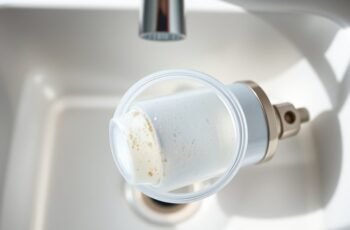
Determining when your water ionizer filter needs replacement is essential for maintaining peak filtration performance. Water quality fluctuations, such as increased sediment or mineral content, often signal reduced filter efficiency. Monitoring the filter lifespan—typically specified by the manufacturer—provides a baseline, but actual performance may decline sooner due to water conditions. Visual cues like discoloration or buildup, alongside a noticeable decrease in water flow rate, indicate saturation and diminished filtration capacity. Regular testing of water pH and contaminant levels can also reveal compromised filter performance. Staying attentive to these signs ensures you replace the filter proactively, preserving water quality and preventing potential system damage. Proper timing maximizes filtration effectiveness and prolongs your water ionizer’s operational lifespan.
Step-by-Step Guide to Removing and Disposing of the Old Filter
To safely remove and dispose of the old filter, we begin by shutting off the water supply to prevent leaks or water damage. Next, we carefully detach the filter, ensuring no residual pressure causes spills. Finally, proper disposal involves following local regulations to prevent environmental contamination.
Turn Off Water Supply
Before removing the old filter, we must first turn off the water supply to prevent leaks and guarantee safety during the replacement process. This step ensures that water flow ceases, avoiding potential damage and contamination risks. Properly shutting off the water supply maintains excellent water quality by preventing accidental backflow or residual water pressure from affecting the filter material. To execute this step effectively:
- Locate the main water shutoff valve or dedicated valve for the ionizer.
- Confirm the valve’s position—closed or open.
- Use appropriate tools if necessary to turn the valve clockwise.
- Check for water flow cessation before proceeding.
- Verify the pressure release by opening a faucet downstream.
This process creates a controlled environment for safe filter removal, safeguarding both the system and water quality integrity.
Remove Old Filter Carefully
With the water supply turned off and pressure released, we can now proceed to carefully remove the old filter. Handling the filter with minimal force prevents damage to the filter material and guarantees safe removal. Consider the filter’s position, material, and connection type for proper extraction. To visualize this process, imagine:
| Step | Action | Outcome |
|---|---|---|
| 1 | Loosen fittings | Prevents strain on filter material |
| 2 | Gently unscrew | Avoids damage to housing or connections |
| 3 | Extract filter | Remove without dislodging adjacent components |
| 4 | Inspect for residue | Check for buildup indicating replacement frequency needs |
This meticulous approach guarantees the filter’s integrity during removal, maintaining system performance and preparing for effective replacement.
Properly Dispose of Filter
How should we guarantee the old water filter is disposed of safely and in compliance with environmental standards? Proper disposal minimizes environmental impact and adheres to recycling procedures. First, confirm local regulations for hazardous waste. Then, carefully remove the filter, avoiding spillage. Next, consider the following recycling options:
- Check manufacturer guidelines for specific disposal instructions
- Utilize designated e-waste recycling centers
- Remove any plastic or metal components for separate recycling
- Avoid landfill disposal to reduce environmental footprint
- Document disposal process for compliance and records
Adhering to these steps ensures responsible disposal, preventing potential chemical leaching and supporting sustainable waste management practices. Proper disposal is critical in minimizing environmental impact and promoting eco-friendly recycling procedures.
How to Properly Install a New Water Ionizer Filter
Proper installation begins with preparing the filter area to guarantee a secure fit and peak performance. We follow a precise, step-by-step process to connect the new filter, verifying all connections for leaks and stability. This methodical approach guarantees the integrity and efficiency of the filtration system.
Preparing the Filter Area
Before installing a new water ionizer filter, it’s essential to thoroughly prepare the filter area to guarantee proper fit and function. Proper preparation guarantees compatibility of filter materials and optimizes water flow, preventing leaks or blockages. Begin by inspecting the existing area for debris, sediment, or mineral buildup that could hinder installation. Verify that the connection ports are clean and free of corrosion, which can impair water flow. Confirm that the filter housing is secure and free of cracks or damage. Additionally, check that surrounding components are aligned correctly to facilitate a seamless fit. Finally, ensure the water supply is turned off to prevent pressure issues during installation. Properly preparing the area minimizes the risk of operational issues and guarantees the longevity of the new filter.
Step-by-Step Installation Process
Are you ready to install your new water ionizer filter with confidence? Proper installation is essential for ideal filter maintenance and ensuring consistent water quality. Begin by turning off the water supply and relieving pressure in the system. Remove the old filter carefully, checking for any residual water. Before installing the new filter, verify compatibility and inspect for any damage. Securely connect the filter housing, ensuring all fittings are tight to prevent leaks. Once installed, turn the water supply back on and check for leaks. Run water through the system for a few minutes to flush out any debris and verify proper flow. This process guarantees that the filter functions correctly, maintaining water quality and minimizing future maintenance needs.
Tips for Maintaining Your Filter and Extending Its Lifespan
Regularly inspecting and cleaning your water ionizer filter is essential for maintaining ideal performance and maximizing its lifespan. Proper maintenance directly influences filter longevity and water quality, guaranteeing consistent ionization efficiency. To optimize these factors, consider the following practices:
Regular inspection and cleaning ensure optimal filter performance and extend lifespan for consistent, high-quality water.
- Use filtered water for daily operations to reduce mineral buildup and prolong filter life.
- Clean the filter housing periodically to prevent sediment accumulation that impairs flow.
- Follow manufacturer-recommended cleaning procedures for thorough maintenance.
- Avoid exposing the filter to harsh chemicals that could degrade its materials.
- Monitor water input quality to prevent premature clogging from contaminants.
Implementing these strategies ensures your filter operates at peak performance longer, maintaining water quality and extending its lifespan effectively.
Common Signs That Indicate Your Filter Is No Longer Effective
Over time, the effectiveness of your water ionizer filter diminishes as contaminants and mineral deposits accumulate, impairing its filtration capacity. Declining water quality manifests through noticeable changes, such as increased turbidity or off-putting tastes and odors, indicating the filter is no longer performing at its best. Reduced filtration efficiency often correlates with the approaching end of the filter lifespan, typically around the manufacturer’s recommended replacement interval. Additionally, a decline in pH levels or mineral balance can signal the filter’s diminished ability to remove impurities effectively. Monitoring these signs helps maintain excellent water quality and ensures your ionizer functions correctly. Recognizing these indicators early allows for timely filter replacement, preserving filtration performance and safeguarding your water’s purity.
Troubleshooting Tips If Your Water Ionizer Isn’t Performing Well After Filter Replacement
After replacing your water ionizer filter, it’s common to encounter performance issues if the system isn’t functioning at its best. Poor water quality or incompatible filter material can impair performance, leading to inconsistent pH levels and reduced alkalinity. To troubleshoot, consider these factors:
- Verify that the filter material is compatible with your system model.
- Check for air bubbles or leaks in the filtration chamber, which can affect flow rate.
- Ensure the water source has adequate pressure and isn’t overly contaminated.
- Confirm the filter was installed correctly, with no misalignment or bypass.
- Test water quality before and after replacement to identify any residual impurities affecting ionization.
Addressing these issues helps optimize performance and confirms that the filter material is correctly supporting your system’s functionality.
How Often Should You Replace Your Water Ionizer Filter? Expert Recommendations
Determining the most suitable interval for replacing your water ionizer filter is essential to maintain consistent water quality and system efficiency. Expert recommendations suggest replacing filters based on usage, water quality, and filter materials. Typically, filters should be replaced every 6 to 12 months to preserve health benefits and prevent contaminant buildup. The table below summarizes replacement intervals:
| Usage Frequency | Filter Material | Recommended Replacement Interval |
|---|---|---|
| Daily use | Activated Carbon | 6-8 months |
| Moderate use | Ceramic | 8-10 months |
| Heavy use | Composite Filters | 4-6 months |
| Poor water quality | Specialized Filters | 3-6 months |
| High contaminant levels | Advanced Filter Media | 3-4 months |
Regular replacement optimizes health benefits and system longevity, considering filter materials’ capacity and contaminant load.
Frequently Asked Questions
Can I Use a Different Brand of Filter With My Water Ionizer?
Yes, we can use different brands, but filter compatibility varies; a brand comparison reveals that some filters may not fit or function correctly. We recommend sticking to manufacturer-approved filters for peak performance and to avoid potential damage.
Are There Specific Cleaning Procedures for the Filter Housing?
We investigate filter housing maintenance, finding that regular cleaning every 3-6 months prevents buildup, guarantees ideal function, and involves disassembling, rinsing with a mild vinegar solution, then thoroughly drying to maintain water quality and prolong filter lifespan.
How Do Temperature Changes Affect Filter Lifespan?
Temperature sensitivity accelerates filter degradation, reducing lifespan as extreme temperature fluctuations cause material stress. We recommend maintaining consistent water temperatures to optimize filter longevity, minimizing the impact of thermal stress on filter performance and durability.
Is It Safe to Drink Water Immediately After Replacing the Filter?
Yes, it’s safe to drink immediately after replacing the filter, provided the new filter is compatible with your system. We recommend checking for health concerns and ensuring proper installation to prevent contamination or filter malfunction.
What Are the Environmental Impacts of Disposing of Used Filters?
Disposing of used filters impacts environmental recycling and waste management by contributing to landfill waste and potential chemical leaching; implementing proper disposal or recycling protocols minimizes ecological harm, emphasizing the need for sustainable practices in filter waste management.
Conclusion
In conclusion, neglecting timely filter replacements isn’t just a minor oversight—it’s a strategic move towards subpar water quality and potential system failure. By adhering to recommended schedules and maintenance protocols, we ensure optimal performance and health benefits. After all, who wouldn’t want to invest a little effort now to avoid costly repairs or compromised water safety later? Remember, a well-maintained ionizer isn’t just a luxury; it’s a necessity for sustained hydration excellence.