Ad Blocker Detected
Our website is made possible by displaying online advertisements to our visitors. Please consider supporting us by disabling your ad blocker.
Replacing the filters in your water ionizer is a precise process that guarantees peak performance and water quality. It involves careful steps to safely remove old filters and install new ones without causing leaks or damage. Proper maintenance is essential, but understanding the correct procedures requires attention to detail. In this guide, we’ll outline each step clearly to help you maintain your system effectively—and there are some important considerations that shouldn’t be overlooked as you proceed.
Key Takeaways
- Turn off the water supply and unplug the ionizer before starting the replacement process.
- Remove the old filter carefully, noting its position and cleaning the filter housing if needed.
- Verify the new filter’s compatibility and correctly align it with inlet and outlet ports.
- Securely install and tighten the new filter, ensuring proper sealing to prevent leaks.
- Regularly monitor water quality and replace filters every 6-12 months or as indicated by performance signs.
Why You Need to Replace Your Water Ionizer Filters Regularly
Regularly replacing your water ionizer filters is vital to maintain peak filtration performance and guarantee the purity of the water. Consistent filter replacement ensures maximum removal of contaminants, which supports water conservation by reducing the need for repeated filtration or treatment of polluted water sources. Proper disposal and recycling of used filters are essential, as filter recycling minimizes environmental impact and promotes sustainable practices. Over time, filters accumulate impurities and mineral deposits, decreasing efficiency and potentially compromising water quality. Neglecting timely replacements leads to increased energy consumption and waste, counteracting conservation efforts. By adhering to scheduled replacements and engaging in filter recycling programs, we preserve water quality, reduce waste, and contribute to sustainable resource management.
Identifying When Your Water Ionizer Filters Need Changing
We can identify when your water ionizer filters need replacing by monitoring specific signs of degradation and changes in water quality. Reduced filtration efficiency often results in noticeable declines in water clarity, taste, or mineral balance. Recognizing these indicators promptly guarantees ideal system performance and water safety.
Signs of Filter Degradation
Over time, water ionizer filters naturally degrade as they trap contaminants and accumulate mineral deposits, reducing their filtration efficiency. Signs of filter degradation include noticeable decreases in water flow rate and increased filter media clogging. The deterioration of filter material compromises its ability to effectively remove impurities, signaling that replacement is necessary. Monitoring the filter’s appearance—such as discoloration or buildup—is also vital. Typically, understanding the recommended replacement frequency based on manufacturer guidelines helps preempt performance issues. If the filter material appears worn or clogged before the expected interval, it indicates accelerated degradation. Recognizing these signs guarantees maximum filtration performance and prevents potential health risks associated with contaminated water. Regular inspection and adherence to replacement schedules are essential for maintaining system efficacy.
Decreased Water Quality
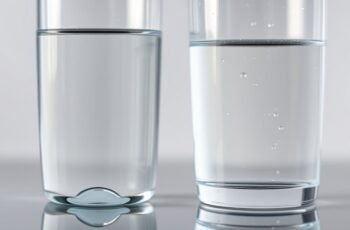
A noticeable decline in water quality often indicates that your water ionizer filters are no longer performing at their best. Reduced water quality can manifest as off-tastes, odors, or increased cloudiness, signaling that the filter’s effective lifespan may have been exceeded. Over time, mineral deposits, sediment, and contaminants accumulate, diminishing filtration efficiency. Monitoring water quality through sensory cues or testing can help determine if the filter needs replacing. As filters approach the end of their lifespan, their ability to remove impurities diminishes, leading to compromised water purity. Regularly evaluating water quality ensures ideal ionizer performance and consistent health benefits. Recognizing these signs early allows timely filter replacement, maintaining water clarity, safety, and the device’s overall efficacy.
Gathering the Right Tools and Replacement Filters
Before replacing the water ionizer filters, it’s crucial to gather the specific tools and replacement filters recommended by the manufacturer. Confirming filter compatibility is important to avoid damage and maintain peak performance. Check the model specifications to select the correct filter type, such as granular activated carbon or mineral filters. Additionally, gather the necessary tools—usually screwdrivers, pliers, and possibly a filter wrench—to facilitate safe removal and installation. Proper tool maintenance is essential; ensure tools are clean and in good condition to prevent cross-contamination or hardware damage. Using the correct tools and verified replacement filters guarantees a smooth replacement process, preserves the integrity of your water ionizer, and prolongs its operational lifespan. Precision in preparation minimizes risks and guarantees effective filter performance.
Step-by-Step Guide to Removing Old Filters Safely
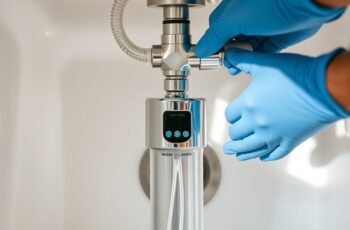
To remove the old filters safely, we follow a systematic process that minimizes the risk of leaks or damage. First, turn off the water supply and unplug the unit. Carefully loosen the filter housing, noting the filter’s position for proper replacement timing. Use a filter sterilization brush if necessary to clean the housing interior. To prevent cross-contamination, dispose of used filters in a sealed container. During removal, observe the following:
| Step | Action |
|---|---|
| 1 | Turn off water and unplug unit |
| 2 | Loosen filter housing with appropriate tools |
| 3 | Remove the old filter gently |
| 4 | Inspect for damage or debris |
| 5 | Dispose of filter securely |
This method ensures safe removal, preparing the system for sterilization and future filtration.
Installing New Filters Correctly for Optimal Performance
Proper installation of new filters is essential to guarantee the system operates at peak efficiency and maintains water quality. Confirming filter compatibility is critical; always verify that the replacement filters match your specific water ionizer model specifications. Before installation, disconnect the power supply to enhance installation safety, preventing electrical hazards. Carefully align the filter with the designated inlet and outlet ports, avoiding force that could damage fittings. Secure the filter tightly to prevent leaks, but avoid overtightening, which may compromise the filter or housing. Double-check all connections for proper seating and seal integrity. Accurate installation not only optimizes filtration performance but also prolongs filter lifespan. Following these steps ensures your water ionizer functions safely and efficiently, delivering consistent, high-quality water.
Tips for Maintaining Your Water Ionizer Post-Filter Replacement
Maintaining your water ionizer after replacing the filters is essential for guaranteeing consistent performance and water quality. Regular oversight helps maximize filter lifespan and prevents mineral buildup, which can impair filtration efficiency. We recommend monitoring filter usage closely; most filters have a defined lifespan based on volume processed or time in use. Adhering to these guidelines avoids premature filter failure. Additionally, periodically inspecting internal components for mineral deposits helps prevent clogging and corrosion. Using a descaling solution periodically can mitigate mineral buildup, especially in areas with hard water. Proper maintenance ensures the ionizer operates at peak capacity, maintains water quality, and extends the longevity of both filters and the device itself.
Troubleshooting Common Filter Replacement Issues
While replacing filters can often be straightforward, several common issues can arise that hinder proper operation. One frequent problem is premature filter failure, often caused by exceeding the recommended filter lifespan, which reduces filtration efficiency. Ensuring the new filter has appropriate certification confirms it meets safety and performance standards. Improper installation can also cause leaks or reduced water flow, typically due to incomplete sealing or misalignment. If water flow is weak after replacement, verify the filter is seated correctly and that no debris obstructs the system. Additionally, ignoring filter certification can lead to ineffective filtration, impacting water quality. Addressing these issues requires adherence to manufacturer guidelines, regular monitoring, and replacement within the specified lifespan to maintain ideal filtration performance.
How Often Should You Replace Your Water Ionizer Filters?
Typically, water ionizer filters need replacement every six to twelve months, depending on water quality and usage. The water filter lifespan varies with mineral content and contaminant levels in your water supply. A well-maintained filter requires adherence to a strict filter maintenance schedule to guarantee maximum performance. Regular monitoring of filter performance indicators, such as flow rate reduction or taste changes, can signal the need for replacement sooner. Following manufacturer guidelines for replacement intervals helps maintain water purity and prevents bacterial buildup. We recommend tracking usage and water quality conditions to determine the appropriate timing for filter replacement. Adhering to this schedule guarantees consistent ionizer efficiency and helps prolong the lifespan of your device.
Frequently Asked Questions
Can I Use Third-Party Filters Instead of Manufacturer-Approved Ones?
We recommend against using third-party filters due to potential compatibility issues. Brand compatibility guarantees peak performance and filter longevity, reducing risks of leaks or damage. Always choose manufacturer-approved filters for reliable, safe water ionization.
How Do I Dispose of Used Water Ionizer Filters Environmentally?
Like pioneers in an old frontier, we prioritize eco-friendly disposal by participating in filter recycling programs, ensuring used water ionizer filters are properly processed, reducing environmental impact through responsible, sustainable practices.
Will Replacing Filters Affect the Water pH Levels?
Replacing filters can temporarily affect water pH levels, but maintaining proper filter lifespan guarantees consistent water quality. Regular replacements optimize pH stability, preventing fluctuations that could compromise the ionizer’s performance and water’s alkalinity or acidity.
Are There Any Safety Precautions During Filter Replacement?
When replacing filters, we guarantee safety by disconnecting the power, wearing gloves, and following manufacturer instructions for filter lifespan and replacement frequency, reducing risks of leaks or exposure to contaminants during maintenance.
How Long Does It Take for the Filter to Properly Activate After Installation?
We find that filter activation typically occurs within 5 to 10 minutes post-installation, as initial installation time allows the filter to fully prime, ensuring proper activation and ideal performance before use.
Conclusion
By following these precise steps, we guarantee our water ionizer operates at peak efficiency, providing pure and healthy water. Regular filter replacements prevent potential issues and extend the device’s lifespan. Remember, neglecting maintenance can lead to bigger problems down the road. Staying proactive is key—don’t let small issues snowball into costly repairs. With careful attention and timely changes, we keep our water quality exceptional, proving that an ounce of prevention is worth a pound of cure.