Ad Blocker Detected
Our website is made possible by displaying online advertisements to our visitors. Please consider supporting us by disabling your ad blocker.
Like the trusted pioneers who first mapped new oceans, we’re charting the world of water ionizers today. We’ll walk you through 8 top brands known for SPE/PEM hydrogen production, BPA-free builds, and real-time performance data. From portable gadgets to countertop systems, there’s a lot to compare—warranties, tests, and real-world durability matter. If you want a future-proof pick that balances power, price, and portability, you’ll want to weigh these options closely as we unfold the details.
Key Takeaways
- Highlight top brands using SPE/PEM technology (titanium platinum electrodes) for safe, high-purity hydrogen water production.
- Emphasize models with portable, battery-powered designs for on-the-go ionized water generation.
- Compare claims on hydrogen concentration (ppb to ppm) and supported lab-testing/b factual validation.
- Assess durability: BPA-free builds, leak-proof housings, and rugged certifications (PSI tolerance, SGS/Japan membranes).
- Include real-world use cases: athletes, travelers, daily wellness routines, and ease of maintenance/cleaning.
Hydrogen Water Pitcher with 2L Capacity and SPE/PEM Technology


If you’re after a compact, beginner-friendly hydrogen solution, this 2L SPE/PEM-powered hydrogen water pitcher stands out because of its dual focus on performance and ease of use. We use SPE and PEM tech with titanium platinum sheets to produce hydrogen water safely, avoiding ozone, chlorine, and harmful substances. With four independent functions—intelligent cleaning, constant-temperature heating, standard hydrogen, and high-concentration hydrogen—we control quality at a glance via digital touch LEDs. Capacity is 2 litres; electrolytic power 20W, heating 200–350W. Real-time temp shows, auto-maintains at 40°C ±5°C. Typical hydrogen output ranges 800–1500 ppb. Drinking-friendly, eco-friendly, long-lasting.”
Best For: Individuals seeking an easy-to-use, compact 2L hydrogen water pitcher with reliable SPE/PEM technology for daily hydrogen-rich water.
Pros:
- 2L capacity suits personal daily use and easy kitchen storage
- SPE and PEM technology with titanium platinum sheets for safe hydrogen production
- Four independent functions including intelligent cleaning and real-time temperature display
Cons:
- 20W electrolytic power and 200–350W heating may limit throughput for larger households
- Hydrogen concentration range (800–1500 ppb) varies with usage and may require monitoring
- Requires electricity and ongoing maintenance (cleaning cycles) to sustain optimal performance
Hydrogen Water Bottle Generator with SPE PEM Technology
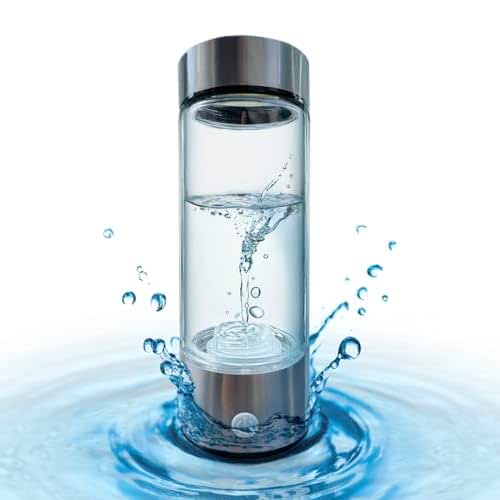
The Hydrogen Water Bottle Generator with SPE PEM Technology stands out for delivering high-concentration hydrogen water in a portable, USB-rechargeable format, making it ideal for readers seeking on-the-go wellness without sacrificing performance. We highlight its 450ml capacity for daily hydration, one-touch operation, and a 3-minute ready time. True SPE/PEM tech yields up to 1600ppb hydrogen from purified, distilled, tap, or RO water. Premium BPA-free build uses borosilicate glass and stainless steel with platinum titanium electrolytic sheets. It’s lightweight, leak-proof, and easy to clean, with a USB recharge and a blue LED indicating generation. Perfect for home, travel, or gym routines.
Best For: readers seeking high-concentration hydrogen water on the go, leveraging SPE/PEM tech in a portable USB-rechargeable bottle.
Pros:
- High hydrogen concentration up to 1600 ppb from various water types
- Portable 450ml capacity with one-touch operation and 3-minute readiness
- Premium BPA-free build with durable materials and easy-clean design
Cons:
- 450ml capacity may require more frequent refills for larger daily intake
- Battery-dependent operation; performance could vary with recharge cycles
- Premium materials and tech may come with a higher price point than basic water bottles
EVOLV Hydrogen Water Bottle Generator with Ionizer

Pros:
- High hydrogen concentration (5.4 PPM) in a compact 8 oz bottle for quick dosing.
- Portable, leak-proof design with SPE/PEM filtration and 150 PSI tolerance.
- Lab-tested results and reputable backing, emphasizing safety and purity.
Cons:
- Limited capacity (8 oz) may require more frequent refills for larger hydration needs.
- Manual/portable operation might be less convenient than fully automated systems.
- Higher-end pricing could be a barrier for casual users.
EVOLV Hydrogen Water Bottle Generator for Hydrogen

This EVOLV Hydrogen Water Bottle Generator stands out for delivering high-concentration hydrogen—up to 5.42 PPM, with claims of up to 13x higher than many rivals—via advanced SPE/PEM electrolysis that tests up to 150 PSI. We mix water with molecular hydrogen through electrolysis, and our vent expels byproducts for cleaner output. Safety and purity matter: BPA-free, zero heavy metals, and SGS tested, with a Japan SPE/PEM membrane and Nafion N115. The 8 oz bottle resists 150 PSI, includes a battery, and features a leak-proof, durable German components design. Third-party verifications support accuracy; packaging is compact for athletes and biohackers.
Best For: athletes, biohackers, and health-conscious individuals seeking high-purity hydrogen-infused hydration on the go.
Pros:
- Delivers high-concentration hydrogen (up to 5.42 PPM) with claims of up to 13x higher than many rivals
- SAFE and pure: BPA-free, zero heavy metals, SGS tested, Japan SPE/PEM membrane with Nafion N115
- Durable, leak-proof 8 oz bottle designed to withstand up to 150 PSI and includes a battery
Cons:
- Limited bottle size (8 oz) may not suit those needing larger volume hydration
- Battery-dependent operation may require regular charging
- Higher price point relative to conventional water bottles due to advanced technology and third-party verifications
Hydrogen Water Bottle with Portable Ionizer Generator
A standout feature is the Hydrogen Water Bottle’s portable ionizer generator, built into a 420 mL glass bottle with a stable, non-slip base. We equip this bottle with high borosilicate glass and food-grade rubber, plus an EVE cushion for stability. Its 420 mL capacity suits home, office, travel, and fitness. Water electrolytic tech delivers high-purity hydrogen, electrolyzing in about 3 minutes and removing chlorine and ozone residue for crisper taste. SPE and PEM work together to prevent by-products. One-button operation keeps usage simple, while guidance suggests rinsing before first use and favoring mineral-rich water for stronger hydrogen. It makes a thoughtful health-focused gift.
Best For: Health-conscious individuals seeking a portable, easy-to-use hydrogen water bottle for hydration, wellness routines, and gifting.
Pros:
- High-purity hydrogen via portable electrolytic technology with rapid ~3-minute operation
- Durable 420 mL glass construction with non-slip EVE cushion base for stability
- Improves water taste by removing chlorine/ozone residues and reducing by-products
Cons:
- Not suited for pure or distilled water as a primary input
- Glass construction may be heavier than plastic options
- Requires regular rinsing before first use and ongoing maintenance for optimal performance
Water Ionizer: 1L Alkaline/0.5L Acidic Portable
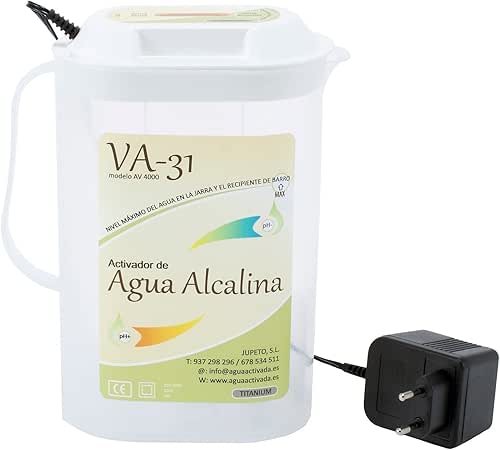
The 1L Alkaline/0.5L Acidic Portable water ionizer stands out for portability without sacrificing core functionality, making it a top pick for pros who need on-the-go alkaline options. We rely on its 1 L alkaline (pH 9.5) and 0.5 L acidic (pH 4) output in just 10 minutes, with no filters or spare parts required. Powered by ~6 watts, it uses titanium electrodes and ships from Spain. We appreciate the auto shutoff and the lightweight, compact build (29 x 17 x 11 cm, 1 kg). Two-year warranty reinforces durability while solidifying its role in mobile alkaline strategies.
Best For: Pros who need a portable, compact water ionizer that delivers quick alkaline and acidic water without filters or spare parts.
Pros:
- Portable and compact design with lightweight 1 kg, 29 x 17 x 11 cm footprint
- Quick dual-output (1 L alkaline at pH ~9.5 and 0.5 L acidic at pH ~4) in about 10 minutes with no maintenance
- Auto shutoff, titanium electrodes, and 2-year warranty from Spain
Cons:
- No filters or spare parts required by design; limits customization or component replacement
- Claimed health benefits (weight loss, toxin elimination, etc.) may be overstated and not supported by robust clinical evidence
- Potentially limited warranty or service support for international customers beyond 2-year term
Hydrogen Bottle Generator Portable Water Machine Turquoise

For those seeking portable hydrogen-enriched hydration, the Hydrogen Bottle Generator Portable Water Machine in Turquoise stands out with its 3000ppb hydrogen-infused water and battery-powered design. We built it for on-the-go wellness, using SPE/PEM technology to deliver hydrogen-rich water of 296 ml capacity in a compact 367 g unit. The OLED display shows real-time hydrogen concentration and timer, while a built-in vent ensures safe operation. It includes a nasal cannula and power cord, runs on a lithium polymer battery, and carries a lifetime warranty. An ideal portable alternative for hydration, fitness, and daily health routines. Model HWB2023, Turquoise. ASIN B0BYGQWRJN.
Best For: Those seeking portable, hydrogen-rich hydration for athletes, travelers, and daily wellness routines.
Pros:
- Portable, battery-powered design with a compact 296 ml capacity for on-the-go use
- Real-time OLED display showing hydrogen concentration and timer
- SPE/PEM technology delivers hydrogen-rich water with a built-in safety vent and lifetime warranty
Cons:
- Small capacity may require frequent refills during extended activities
- Requires access to power for charging/replacing the lithium polymer battery
- 3000 ppb concentration may vary with usage and water quality across settings
Hydrogen Water Bottle Ionizer—Rechargeable, Portable

Pros:
- Portable, rechargeable design enables hydrogen water generation anywhere without external power
- Ergonomic bottle shape facilitates comfortable grip and easy drinking in various settings
- Safe, food-grade materials emphasize durability and reliability
Cons:
- Model details specify a single color and may limit customization preferences
- Weight is 675 g, which could be heavier than some travel bottles for ultralight packing
- No external battery requirement could imply the unit relies on an internal battery that may need periodic charging
Factors to Consider When Choosing Water Ionizer Brands You Should Know
We weigh brand reputation, technology validation, and safety since these shape long-term performance. We’ll look at hydrogen concentration claims, build materials quality, and how byproducts are managed to protect your health. We’ll also compare how brands communicate standards and testing so you can pick with confidence.
Brand Reputation and Trust
So how can you gauge a water ionizer brand’s trustworthiness? We look for third-party verifications and testing, like gas chromatography or SGS certifications, that back hydrogen concentration claims and safety standards. Trustworthy brands disclose independent lab results and show consistent performance metrics across their lines, typically in the 1400–5400 ppb range. Long-term reliability is reinforced by stated lifespans of 5+ years and solid warranties, such as 2-year coverage, from credible players. Transparent safety features—built-in venting, BPA-free materials, and zero heavy-metal leaching assurances—are standard indicators of credibility. Endorsements from industry authorities or credible testing bodies, such as H2 Analytics or H2HUBB, further boost perceived trust. In short, verifiable data, consistency, and clear safety commitments define reputable brands.
Technology Validation Standards
Technology validation standards matter because they prove a ionizer’s claims about hydrogen output and safety hold up under scrutiny. We look for solid engineering behind SPE and PEM technologies, including how electrolysis and filtration are arranged to produce pure hydrogen water. Third‑party verification matters, with gas chromatography or SGS testing offering independent proof of hydrogen concentration and product purity. Reported levels vary—800–1500 ppb or up to 5.4 ppm—so careful cross‑comparison is essential. We also assess safety features that vent or remove byproducts like chlorine and ozone, ensuring safe hydrogen water. Durability tests and material certifications—BPA‑free, food‑grade components—support longevity claims and overall compliance. Together, these standards help us gauge true value and long‑term performance.
Hydrogen Concentration Claims
When evaluating hydrogen concentration claims, do you know what’s truly behind the numbers? We see figures in ppb or ppm, and higher values suggest more dissolved hydrogen, but the method matters. Some brands cite gas chromatography or lab testing, while others offer generic “up to” or “typical” concentrations without independent verification. Values vary by device, water source, and mode, ranging from several hundred ppb to over 5,000 ppb (5.0 ppm) in certain models. Claims like 5.4 ppm (5400 ppb) or 13x higher than others appeal to premium performance, yet deserve scrutiny of measurement method. By-product safety and filtration affect perceived concentration, so credible claims should state testing method, units, and whether concentrations sustain during typical use.
Safety and Byproduct Management
Choosing a water ionizer is about more than just hydrogen numbers; safe byproduct management ensures those numbers matter in real life. We look for SPE/PEM technology with a built‑in vent or exhaust to remove byproducts like chlorine and ozone, preventing buildup during operation. Third‑party testing and certifications, such as gas chromatography and SGS, verify hydrogen concentration and confirm no hazardous byproducts slip through. Effective safe byproduct management relies on thoughtful filtration and ventilation designs that stop residual gases from accumulating during electrolysis. Devices should specify maximum operating pressure—up to 150 PSI—and use leak‑proof constructions to ensure safe hydrogen infusion. Materials must be BPA‑free and food‑grade, with membranes like Nafion or Japan SPE/PEM chosen to minimize heavy metal leaching and contamination.
Build Materials Quality
Build quality starts with safe, durable materials we can trust. When we choose a ionizer, we look for BPA-free, food-grade components that keep drinking water safe. We favor premium construction like borosilicate glass, aircraft-grade polycarbonate, and durable metals such as titanium or stainless steel for long-term reliability. Certified filtration or membrane tech (SPE/PEM) and third-party validation help confirm purity and byproduct removal. A leak-proof design, stable bases, and robust seals or vent systems matter to prevent contamination and support safe portable use. We also consider power components with proven lifespans, like rechargeable batteries, and durability claims targeting 5+ years. Informed choices align material quality with safety, performance, and lasting value for each brand we recommend.
Portability and Usability
Portability and usability go hand in hand with build quality, and they often determine how practical a water ionizer is for daily use or travel. We design our picks to be compact yet capable, with 230–450 ml capacities and 450–700 g weights for effortless handling. USB rechargeability and battery power let us generate hydrogen on the go without constant power access. One-touch operation keeps things simple, with readiness typically under 3–5 minutes, while lightweight ergonomics reduce fatigue during extended use. Leak-proof builds, detachable components for cleaning, and compatibility with standard cupholders boost real-world practicality. Built-in safety features—vent systems, BPA-free materials, and sturdy housings—ensure reliable performance across travel and everyday activities, without compromising convenience or peace of mind.
Maintenance and Durability
When evaluating water ionizers, durability and lasting performance matter as much as features, because steady hydrogen production hinges on sturdy construction and reliable components. We look for durable construction and long-lasting components, such as dedicated PEM/SPE membranes and high-quality electrolytic sheets, to ensure reliable hydrogen production over time. Third-party or lab verification of safety and purity, including gas chromatography testing and metal leaching assessments, gives us confidence in long-term operation. Warranty length matters too—2 years or more signals durability and manufacturer confidence. Review materials and seals, like BPA-free plastics, food-grade metals, and leak-proof designs, to minimize wear and contamination with repeated use. Finally, assess real-world resilience: 150 PSI tolerance, robust housings, and compatibility with portable, battery-powered operation.
Pricing and Availability
Pricing for water ionizers varies widely, and you’ll notice no fixed price in many listings—price prompts and comparisons are common instead. We see price data as fluid rather than fixed MSRP, so we plan around tracking prompts and marketplace variability. Availability also varies: some listings show first availability dates (like December 2023), while others omit dates, signaling differing stock timelines. Portable handheld units emphasize rechargeable batteries and smaller capacities (around 450 ml or 8 oz), which can shift both price and stock levels. Higher hydrogen concentrations (5.4 ppm) and specialized SPE/PEM tech often correlate with higher prices and longer lead times. In practice, expect inconsistent pricing and fluctuating availability across platforms, requiring vigilant comparison and timing for optimal purchasing decisions.
Frequently Asked Questions
How Long Do Ionizer Filters Typically Last?
Ionizer filters typically last 6 to 12 months, depending on usage and water quality. We recommend replacing annually as a baseline, and sooner if you notice reduced flow or taste changes. We’ll help you track replacements for optimal performance.
Do Ionizers Affect Mineral Content in Water?
Yes, ionizers alter mineral content, subtly shifting calcium and magnesium levels while preserving harmless trace minerals. We carefully calibrate current, chemistry, and cleansing to keep your water balanced, bright, and beautifully mineral-aware for your daily drinking delight.
Are There Safety Certifications for Home Ionizers?
Yes, there are safety certifications for home ionizers. We verify CE, ETL, and/or RoHS compliance where applicable, and we recommend models with NSF/ANSI certifications for water safety and product integrity. Trust certified units for peace of mind.
Can Ionizers Remove Heavy Metals Effectively?
Yes, ionizers can reduce some heavy metals, but effectiveness varies by model and water chemistry. We’re cautious, testing filters and certifications like NSF/ANSI. Now imagine sipping purified water, self-assured, as we guide you through options.
What Maintenance Does a Portable Ionizer Require?
We maintain portable ionizers by rinsing the filter, replacing it as recommended, cleaning surfaces, and keeping it dry between uses; monitor electrolytes and output, and store away from heat or moisture to extend life.
Conclusion
We’ve walked you through top water ionizer brands with safety, real-time data, and solid warranties in mind. As you weigh portability vs. performance, trust in tested membranes and reputable validations. Think of this like steampunk meets modern tech: a vintage brass gauge guiding today’s sleek PEM systems. With the right fit, you’ll enjoy consistent hydrogen output, easy maintenance, and peace of mind—choosing a future-proof ionizer that keeps your hydration both healthy and hassle-free.