Ad Blocker Detected
Our website is made possible by displaying online advertisements to our visitors. Please consider supporting us by disabling your ad blocker.
Maintaining a commercial water ionizer requires a disciplined approach to guarantee consistent performance and longevity. Regular cleaning, precise parameter monitoring, and timely component replacements are essential tasks that directly impact water quality and system efficiency. Understanding the critical maintenance procedures helps prevent malfunctions and prolongs equipment life. To optimize operation and avoid costly downtime, it’s crucial we follow established routines—and the key details that keep your system running reliably might surprise you.
Key Takeaways
- Regularly clean and descale the system using manufacturer-recommended solutions to prevent mineral buildup and maintain ionization efficiency.
- Monitor water parameters like pH, temperature, and flow rate consistently for optimal system performance.
- Replace pre-filters and internal filters as scheduled to avoid mineral deposits and ensure water quality.
- Calibrate sensors and control valves periodically to sustain accurate readings and system stability.
- Maintain detailed maintenance logs and educate staff on proper procedures to ensure consistent upkeep and system longevity.
How Often Should You Clean Your Commercial Water Ionizer?
The frequency of cleaning your commercial water ionizer depends on its usage intensity and water quality, but generally, it should be cleaned at least once every one to three months. Regular cleaning maintains peak water quality, preventing mineral buildup that can compromise ionization efficiency. Monitoring water quality is essential, as high mineral content accelerates scaling, reducing equipment longevity. Consistent cleaning ensures contaminants do not accumulate within internal components, which could impair performance or cause damage over time. Proper maintenance schedules tailored to water conditions help preserve the ionizer’s functional integrity, extending its service life. Adhering to these intervals guarantees consistent water quality output and maximizes equipment longevity, ultimately supporting cost-effective operation and reliable performance in commercial settings.
Step-by-Step Guide to Descaling and Filter Replacement
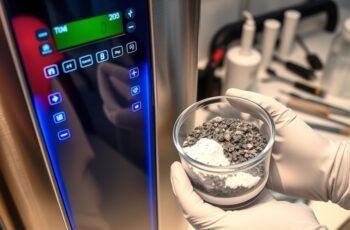
To guarantee peak performance and longevity, we must regularly perform descaling and filter replacements on our commercial water ionizer. Descaling effectively removes mineral deposits that impair water quality and hinder equipment durability. Begin by turning off the unit and unplugging it from the power source. Drain residual water, then apply a descaling solution specifically formulated for ionizers, following manufacturer instructions. Allow the solution to circulate through the system for the recommended duration. Rinse thoroughly with clean water to eliminate residue. Next, replace the pre-filters and any internal filters according to the manufacturer’s schedule, ensuring proper fit to maintain water quality. These steps prevent mineral buildup, preserving ideal ionization efficiency and extending equipment lifespan, thereby maintaining consistent water quality and ensuring reliable operation.
Recognizing Signs of Mineral Buildup and Equipment Malfunction
Regularly performing descaling and filter replacements helps maintain ideal performance, but it’s equally important to recognize early signs of mineral buildup and equipment malfunction. Mineral deposits often manifest as reduced water flow, decreased ionization efficiency, or irregular pH levels. These deposits, primarily calcium and magnesium, can cause clogging and impair electrode function. Equipment alerts, such as warning lights or error messages, may indicate malfunctions related to mineral accumulation or sensor issues. Additionally, unusual noises or inconsistent water quality are signs of underlying problems. Promptly addressing these indicators prevents damage and maintains superior operation. Regular monitoring for mineral deposits and responsiveness to equipment alerts are essential for preventing costly repairs and ensuring consistent, high-quality water ionization.
Best Practices for Maintaining Optimal pH Levels and Ionization
Maintaining ideal pH levels and ionization efficiency requires diligent monitoring and precise adjustments. Consistently measuring water pH balance ensures the ionizer produces water within the excellent alkaline or acidic ranges, preventing drift that compromises performance. Regular calibration of the pH sensor and control valves maintains stable ionization efficiency. We recommend testing water samples daily during initial setup and weekly afterward, adjusting electrode settings accordingly. Using high-quality mineral filters minimizes mineral buildup that can skew pH readings and reduce ionization effectiveness. Additionally, monitoring water temperature is essential, as temperature fluctuations impact ionization efficiency. Implementing these best practices ensures consistent water pH balance, preserves ionizer precision, and maximizes the health benefits of the water produced.
Tips for Extending the Lifespan of Your Water Ionizer
Proper maintenance of your water ionizer not only guarantees peak performance but also extends its operational lifespan. Regular water purification checks ensure that mineral buildup and contaminants do not impair electrode function, preserving ionization efficiency. Consistent equipment calibration is essential to maintain accurate pH levels and optimize water quality. We recommend scheduling calibration sessions with qualified technicians to prevent drift in ionization parameters. Additionally, routine cleaning of mineral deposits and replacing filters prevents clogging and corrosion, which can substantially reduce device longevity. By systematically managing water purification and ensuring precise calibration, we minimize wear on internal components, thereby prolonging the service life of your commercial water ionizer. These practices are critical for sustainable operation and consistent output quality.
Troubleshooting Common Maintenance Issues in Commercial Units
When a commercial water ionizer exhibits performance issues, identifying the root cause quickly is essential to minimize downtime and repair costs. Common problems often stem from water quality fluctuations or improper maintenance. Poor water quality can cause mineral buildup or membrane fouling, reducing ionization efficiency. Regularly monitoring water input and adjusting pre-treatment protocols helps mitigate these issues. Additionally, staff training is vital; personnel must understand proper cleaning procedures, electrode maintenance, and troubleshooting steps. Insufficient training can lead to overlooked warning signs or improper handling, exacerbating problems. By ensuring staff are well-versed in maintenance protocols and water quality management, we can effectively troubleshoot and resolve issues, maintaining excellent ionizer performance and extending equipment lifespan.
Creating a Maintenance Schedule to Ensure Consistent Water Quality
Establishing a maintenance schedule involves scheduling regular filter replacements, system flushing, and continuous water quality monitoring to maintain ideal performance. Consistent timing guarantees contaminants are removed before affecting water quality, and system components remain operational. Implementing these procedures systematically helps prevent issues and assures water ionization remains reliable.
Regular Filter Replacements
How often should we replace the filter in a commercial water ionizer to maintain ideal water quality? Regular filter replacements are vital for peak water filtration and purity assurance. Typically, filters should be changed every 6 to 12 months, depending on water source and usage volume.
- Monitor water taste and clarity as indicators for timely replacement
- Follow manufacturer’s recommendations for filter lifespan
- Consider water hardness and contaminant levels in scheduling
- Schedule routine inspections to verify filter integrity and performance
Consistent filter replacement ensures removal of impurities, maintains system efficiency, and guarantees water quality. Neglecting these replacements can lead to reduced ionization effectiveness and compromised water purity. Adhering to a precise maintenance schedule maximizes system longevity and sustains the desired health standards.
Scheduled System Flushing
Implementing a scheduled system flushing is crucial to maintain consistent water quality and prevent mineral buildup within the commercial water ionizer. Proper flushing involves running specified cleaning cycles at regular intervals, tailored to water temperature and mineral content. Consistent scheduling minimizes scale accumulation on electrodes, guaranteeing ideal ionization performance. User training plays a critical role, as operators must understand the correct procedures and frequency for flushing, considering factors like water temperature variations that influence mineral solubility. Maintaining a detailed maintenance schedule ensures timely execution, reduces downtime, and extends equipment lifespan. Regular flushing not only preserves water quality but also enhances energy efficiency. Clear documentation and staff education are indispensable to uphold best practices, ensuring the system remains operational and produces high-quality, stable ionized water.
Monitoring Water Quality
To maintain consistent water quality in a commercial water ionizer, we must develop a thorough maintenance schedule centered on regular water quality monitoring. This involves measuring key parameters such as water temperature and flow rate, which directly impact ionization efficiency and mineral content. Monitoring these variables helps identify deviations that could compromise water purity or system performance. Consistent sampling should be scheduled at defined intervals, with data logged for trend analysis. Critical checks include verifying ideal water temperature, maintaining proper flow rate, and evaluating mineral levels to prevent scaling or contamination. Regular calibration of sensors and testing equipment ensures accuracy. A disciplined approach guarantees that water quality remains stable, optimizing ionizer longevity and output quality.
Frequently Asked Questions
Can I Perform Maintenance on My Water Ionizer Myself?
Yes, you can perform maintenance like replacing the water filter and electrolyte replenishment, but we recommend consulting the manufacturer’s guidelines to guarantee proper procedures, avoid damage, and maintain ideal ionizer performance.
What Safety Precautions Should I Take During Maintenance?
We prioritize electrical safety by unplugging the unit before maintenance and avoid water contact with electrical components. When handling chemicals, we wear gloves and goggles, ensuring proper ventilation to prevent inhalation risks and chemical exposure.
How Do Different Water Qualities Affect Maintenance Needs?
Different water qualities impact maintenance by influencing water filtration efficiency and mineral buildup; harder water increases mineral deposits, requiring more frequent cleaning, while softer water reduces filtration strain, ensuring ideal ionizer performance and longevity.
Are There Specific Maintenance Products Recommended for Commercial Units?
We recommend specialized maintenance products like water filters and descaling solutions. These act like shields, protecting your unit during the descaling process, ensuring efficient operation and prolonging lifespan by effectively removing mineral buildup and impurities.
How Does Maintenance Differ Between Various Brands or Models?
We find maintenance varies with brand compatibility and maintenance frequency, as each model’s design influences cleaning protocols, electrode care, and filter replacements, requiring tailored schedules and procedures to guarantee peak performance and longevity across different commercial water ionizer brands.
Conclusion
By maintaining our commercial water ionizer with diligent care, we guarantee it remains a finely tuned instrument, delivering pure, ionized water like a steady, reliable symphony. Regular cleaning, vigilant monitoring, and prompt troubleshooting are our tools for preventing mineral buildup and system malfunctions. When we treat our equipment with disciplined precision, it performs seamlessly, extending its lifespan and safeguarding water quality. In this meticulous dance, we orchestrate excellence, ensuring every drop meets the highest standards.