Ad Blocker Detected
Our website is made possible by displaying online advertisements to our visitors. Please consider supporting us by disabling your ad blocker.
While evaluating water ionizer filters, we often focus on performance metrics like pH adjustment and contaminant removal, yet the true complexity lies in balancing these features with durability and maintenance demands. It’s essential to analyze how filter lifespan, flow rate, and certification standards influence long-term efficiency and safety. Understanding these factors helps us identify the most suitable model for specific water qualities, but the nuances behind these choices are often overlooked—prompting a closer look at what truly matters for ideal water quality.
Key Takeaways
- Compare filter lifespan, replacement frequency, and overall durability for long-term cost efficiency.
- Evaluate filtration capabilities, including removal of chlorine, heavy metals, and sediment.
- Check compatibility with existing water ionizer systems and ease of installation.
- Review certifications like NSF and ANSI for quality assurance and safety standards.
- Consider flow rate and water output capacity to meet daily usage needs effectively.
What Are Water Ionizer Filters and How Do They Work?
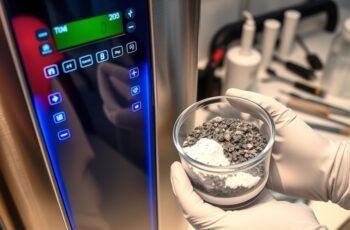
Water ionizer filters are specialized filtration systems designed to modify the mineral composition of tap water, primarily by removing impurities and preparing it for electrolysis. These filters achieve contaminant removal by targeting pollutants such as chlorine, heavy metals, and sediments, ensuring cleaner water. Simultaneously, they facilitate pH adjustment by balancing mineral content, which influences the water’s acidity or alkalinity. The filtration process typically involves multiple stages, including activated carbon and ion-exchange resins, which work together to optimize water quality. This precise removal of contaminants and control of pH levels are essential for efficient electrolysis, enabling the production of ionized water with desired health benefits and enhanced taste. Overall, water ionizer filters serve a critical role in improving water purity and stability before ionization.
Key Features to Compare in Water Ionizer Filters
- Filter lifespan and replacement frequency
- Flow rate and water output capacity
- Compatibility with existing systems
- Certification standards (e.g., NSF, ANSI)
- Ease of maintenance and cleaning
These features collectively impact performance, longevity, and health benefits, guiding us to select filters that deliver the most effective purification and mineralization tailored to specific needs.
Pros and Cons of Popular Water Ionizer Filter Models
Although each water ionizer filter model offers distinct advantages, they also present specific limitations that can influence performance and user satisfaction. Filter durability varies considerably; some models maintain efficacy for extended periods, reducing replacement frequency, while others degrade quickly, increasing maintenance costs. Cost considerations are critical, as initial purchase prices and ongoing expenses impact overall value. Higher-end filters often feature advanced filtration media that enhances longevity and contaminant removal but come with higher upfront costs. Conversely, budget models may compromise filter durability, necessitating more frequent replacements, which can escalate long-term expenses. Understanding these trade-offs helps users balance performance, durability, and cost, ensuring they select a model aligned with their filtration needs and budget constraints.
How to Choose the Best Water Ionizer Filter for Your Needs
Choosing the right water ionizer filter requires a careful assessment of your specific water quality needs, usage patterns, and budget constraints. Key considerations include filter installation ease, compatibility with your unit, and the ability to modify water pH levels effectively. To maximize performance, evaluate filters based on:
- The range of contaminants filtered
- Longevity and replacement frequency
- Impact on water pH stability
- Compatibility with your ionizer model
- Cost-effectiveness over time
Understanding how different filters influence water pH and ensuring proper filter installation are critical to achieving consistent, healthy alkaline water. Selecting a filter that aligns with your water quality goals ensures top performance and longevity of your water ionizer system.
Maintaining and Replacing Your Water Ionizer Filter for Optimal Performance
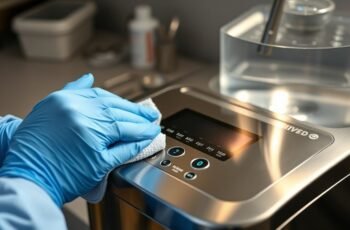
To guarantee your water ionizer continues to operate at peak efficiency, regular maintenance and timely filter replacements are essential. Understanding the filter lifespan is vital, as it directly impacts water quality and device longevity. Typically, filters require replacement every 6 to 12 months, depending on usage and water quality. Proper installation procedures must be followed to ensure maximum performance; this includes careful removal of the old filter and correct placement of the new one, avoiding air gaps or misalignments. Neglecting these steps can lead to reduced filtration efficiency or system damage. Regularly inspecting your filter’s condition and adhering to manufacturer-recommended replacement intervals helps maintain consistent water ionization and extends the overall lifespan of your system.
Frequently Asked Questions
Are Water Ionizer Filters Safe for Children and Pregnant Women?
We believe water ionizer filters are generally safe for children and pregnant women, prioritizing child safety and pregnancy health, but consulting healthcare professionals is essential. Rigorous testing guarantees filter purity, supporting ideal health during sensitive periods.
How Do Water Ionizer Filters Affect Mineral Content in Water?
Water ionizer filters influence mineral retention, affecting the water’s mineral content. Their effectiveness varies, as some filters selectively retain essential minerals like calcium and magnesium, while others may reduce mineral levels, impacting water’s nutritional value.
Can Water Ionizer Filters Remove All Types of Contaminants?
We find that water ionizer filters primarily target contaminants affecting pH balance, but may not remove all types. They often retain beneficial minerals, ensuring mineral retention while improving water purity, though some contaminants might require additional filtration methods for full removal.
What Is the Typical Lifespan of a Water Ionizer Filter?
Typically, water ionizer filters require replacement every six to twelve months, depending on usage and water quality. Proper filter maintenance extends lifespan; regular replacement frequency guarantees ideal contaminant removal and machine performance, emphasizing the importance of timely filter upgrades.
Are There Environmental Impacts of Disposing Used Water Ionizer Filters?
Disposing used water ionizer filters can impact the environment, but filter recycling initiatives mitigate disposal environmental concerns. We analyze proper disposal methods to reduce ecological footprints, emphasizing responsible practices for minimizing waste and promoting sustainability in filter management.
Conclusion
Just as a finely tuned engine relies on quality filters to run smoothly, our water ionizer systems depend on the right filters for maximum performance. By carefully analyzing features like lifespan, contaminant removal, and certification standards, we guarantee our water quality remains pristine and healthful. Selecting the best filter is akin to choosing the right gear for a precise machine—crucial for efficiency, longevity, and reliable health benefits. Ultimately, informed choices keep our water systems operating at peak precision.